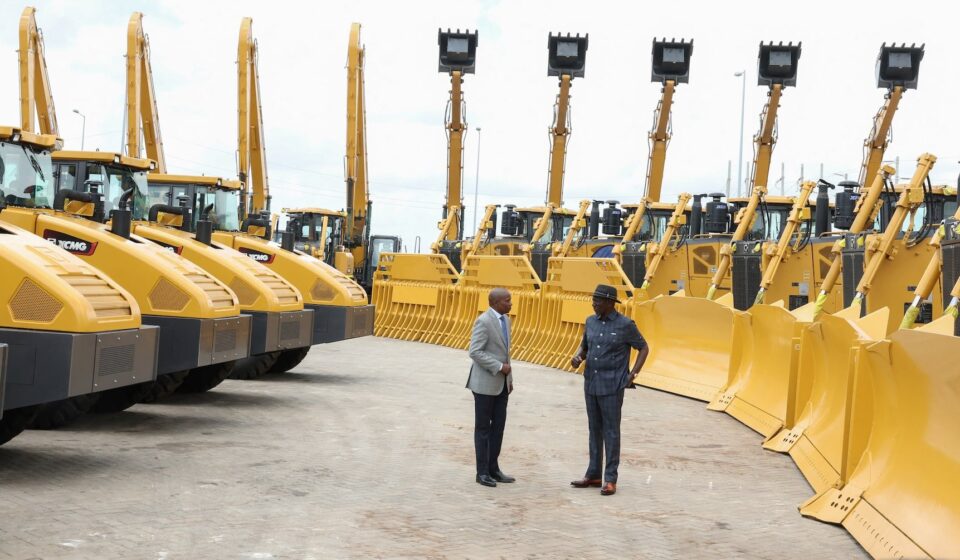
Нигерийская компания Dangote начала строительство нефтеперерабатывающего завода в Кении, расположенного в Восточной Африке, стоимостью 16 миллиардов долларов.
ЛАМУ, Кения, 30 сентября (Reuters) — В среду началось строительство нефтеперерабатывающего завода в Кении стоимостью 16 миллиардов долларов , цель которого – снизить затраты на топливо в Восточной Африке и сэкономить региону твердую валюту, используемую для импорта нефтепродуктов.
ЛАМУ, Кения, 30 сентября (Reuters) — В среду началось строительство нефтеперерабатывающего завода в Кении стоимостью 16 миллиардов долларов , цель которого – снизить затраты на топливо в Восточной Африке и сэкономить региону твердую валюту, используемую для импорта нефтепродуктов. Алико Данготе и президент Кении Уильям Руто заложили первый камень на площадке, где миллиардер хочет повторить успех нигерийского нефтеперерабатывающего завода своей группы мощностью 700 000 баррелей в сутки, поскольку такие страны, как Кения и Уганда, стремятся начать добычу сырой нефти. Данготе, самый богатый человек Африки, предложил региональным правительствам в общей сложности 30% акций кенийского нефтеперерабатывающего завода, строительство которого планируется завершить в 2030 году. Компания Dangote заключила контракт с Engineers India Limited (ENGI.NS).
, открывает новую вкладку контракт на проектирование стоимостью 450 миллионов долларов, заключенный компанией Honeywell Technologies (HON.O). , открывает новую вкладку окажет технологическую поддержку . Нефтеперерабатывающий завод, акции которого в конечном итоге будут размещены на Найробийской фондовой бирже, является крупнейшей в истории Кенией прямой иностранной инвестицией и, как заявил Руто на церемонии запуска, увеличит годовой валовой внутренний продукт страны на 12%.
«Это инвестиции в энергетическую безопасность, индустриализацию и региональную интеграцию», — сказал он. Данготе заявил, что проект обеспечит энергетическую самодостаточность в регионе, простирающемся от Эфиопии до Мозамбика, за счет замены импорта нефтепродуктов. «Мы открываем новую главу в промышленном развитии Африки, ведущем к светлому будущему», — сказал он. Dangote and Ruto were joined by Ethiopia’s Prime Minister Abiy Ahmed, Uganda’s President Yoweri Museveni, Benin’s President Romuald Wadagni and Togo’s President Jean-Lucien Savi de Tové for the ceremony at the port of Lamu, ringed by a row of excavators, graders, rollers and cranes. «I am very hopeful when I see these machines lined up here because I know I have a chance to work and change my life from my menial jobs now to become a machine operator which is what I’m trained to do,» said local resident Evans Hundo.
Situated along Kenya’s northern shoreline, Lamu Port, which welcomed its first cargo ships in 2021, is central to Kenya’s bid to open a new transport corridor linking its vast northern region and neighbouring countries to the sea. The refinery is expected to boost that initiative, while addressing annual demand for petroleum products in the region which Ruto’s chief economic adviser, David Ndii, said is estimated at 20 million to 30 million metric tons. Meeting that demand would require capacity of more than 1 million bpd, said a financier involved in African refineries.
East Africa has been hit hard by surging fuel prices resulting from the Iran war, sparking deadly protests in countries such as Kenya over rising pump prices. The refinery will also aim to export jet fuel to the European and British markets, Dangote said. Oil industry analysts say it is not a given that the new Kenyan project can replicate the Nigerian model, which turned the West African country from a major fuel importer into a growing exporter. Officials have said the facility is also expected to spur industries such as petrochemicals, base oil and bitumen production and create more than 50,000 jobs.
It will be powered by a 1,000-megawatt power plant to be built as part of the refinery complex, Dangote said. The plant will sell its excess power to other customers. But doubts remain over local crude supplies and the region’s energy infrastructure, while the project also faces opposition from environmental campaigners, who fear it could affect Lamu Old Town, a World Heritage site hosting fragile marine life. Kenya’s High Court ordered the preservation of parts of the site pending a hearing in a case brought by local residents. Dangote attributed the opposition to traders and businesses whose profit models would be threatened by the refinery, but promised to put up a fight.
«We are really not scared about people taking us to court,» he said. «Anybody who wants to cause trouble, we are ready for his trouble and we will give him a headache.»